
Turkey-Cyprus Rupture Replicates Rating Direction

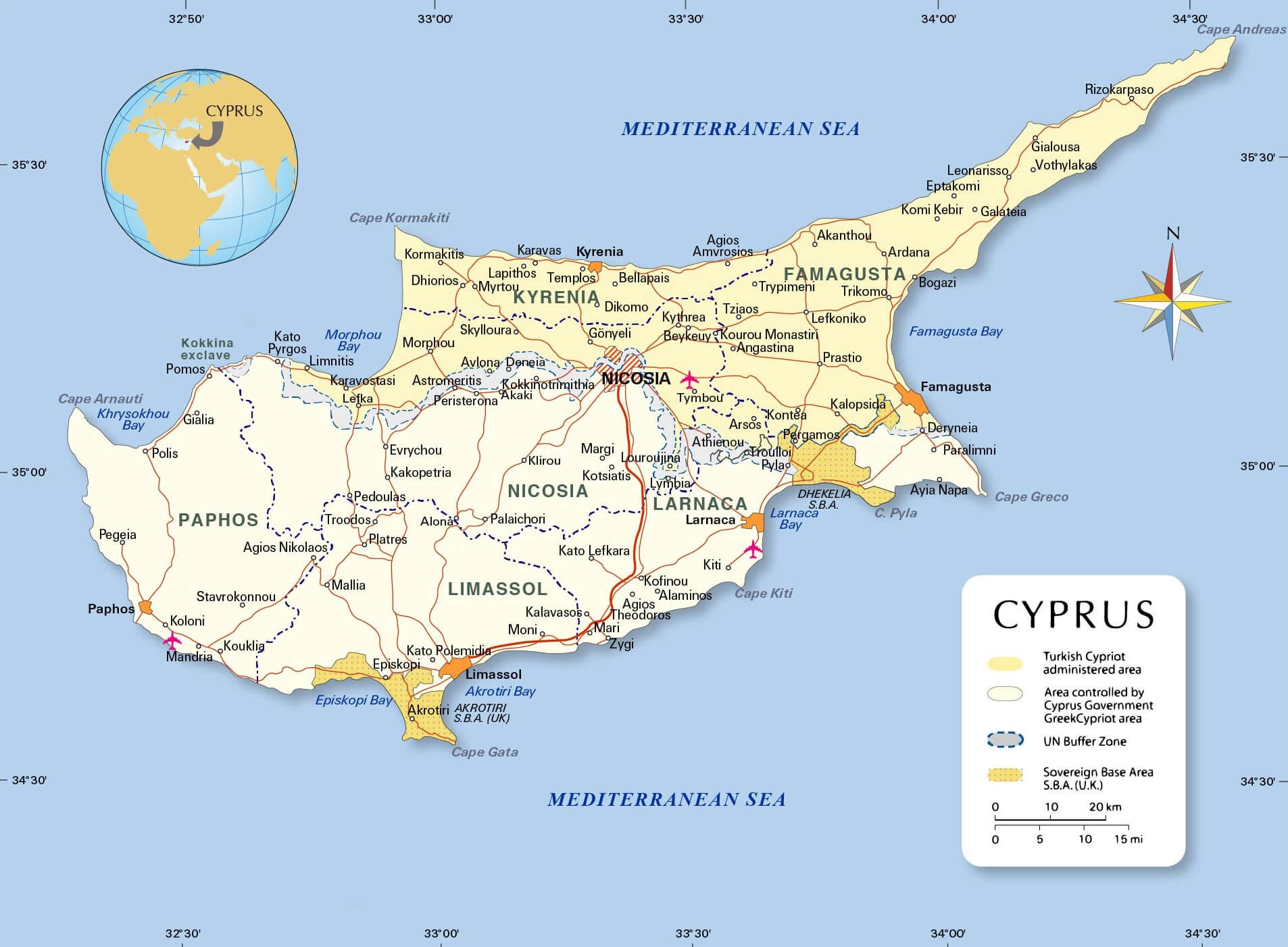
While Turkey’s stock index +25% swamped Cyprus’ +2% through April, their sovereign ratings went the opposite way with the former BB outlook dented to stable from positive, and the latter luxuriating in A range after the EU’s best fiscal outturn last year. Geopolitically the two have experienced no thaw since a new President with a softer line on UN sponsored dialogue was elected six months ago in the Northern part of the island only recognized diplomatically by Ankara, as a decades multi-million-dollar lobbying effort for that purpose was phased out in Washington. Both are caught in the Mideast oil import vise with 10% for Turkey coming through the Hormuz Strait, and one-tenth of gas supply from Iran. Cyprus has among the EU’s steepest costs, and a liquefied natural terminal is due for completion next year, while an underwater electricity connection project to Greece and Israel remains blocked by Ankara’s territorial claims. Turkey’s President Recep Tayyip Erdogan has been prominent as a volunteer go-between in the Washington-Tehran war, while Nicosia has braced for a refugee wave from the latest one million population displacement in Lebanon’s Hezbollah-Israel clash. Turkey has also provided an alternative outlet through Ceyhan for Iraq’s oil, with output off two-thirds as the biggest OPEC member blow.
Turkey drew inescapable notoriety in the IMF’s quarterly central bank FX reserve survey, with Q1’s -$50 billion worst globally, with the gross total tanking to $160, and the net ex-gold and bank swaps at $20 billion, one-quarter the early year figure. Banking system dollarization remained constant at 40%, with intervention to defend the 45 lira/$ level, foreign carry trade and portfolio flow unwinding, private sector external debt repayment, and the balance of payments error-omissions sinkhole the combined contributing factors. In March alone the central bank sold $25 billion, and the bank-corporate short FX position was $200 billion. The bank stock index fell 3% as the bad loan ratio topped 3%, while the PMI manufacture read was contracting at 48.5. Foreign local bond sales for the quarter came to $400 million as ownership dipped below 10% and USDTRY was off 5%. March was among the ugliest current and capital account results in the country’s long history of external imbalance crises recounted in graphic detail in our book “Emerging Economies and Financial Markets” https://link.springer.com/book/10.1007/978-3-031-85669-3.
Keep reading with a 7-day free trial
Subscribe to Kleiman International's Substack to keep reading this post and get 7 days of free access to the full post archives.